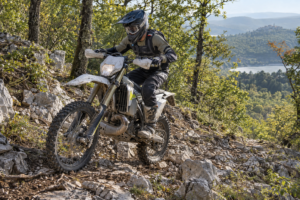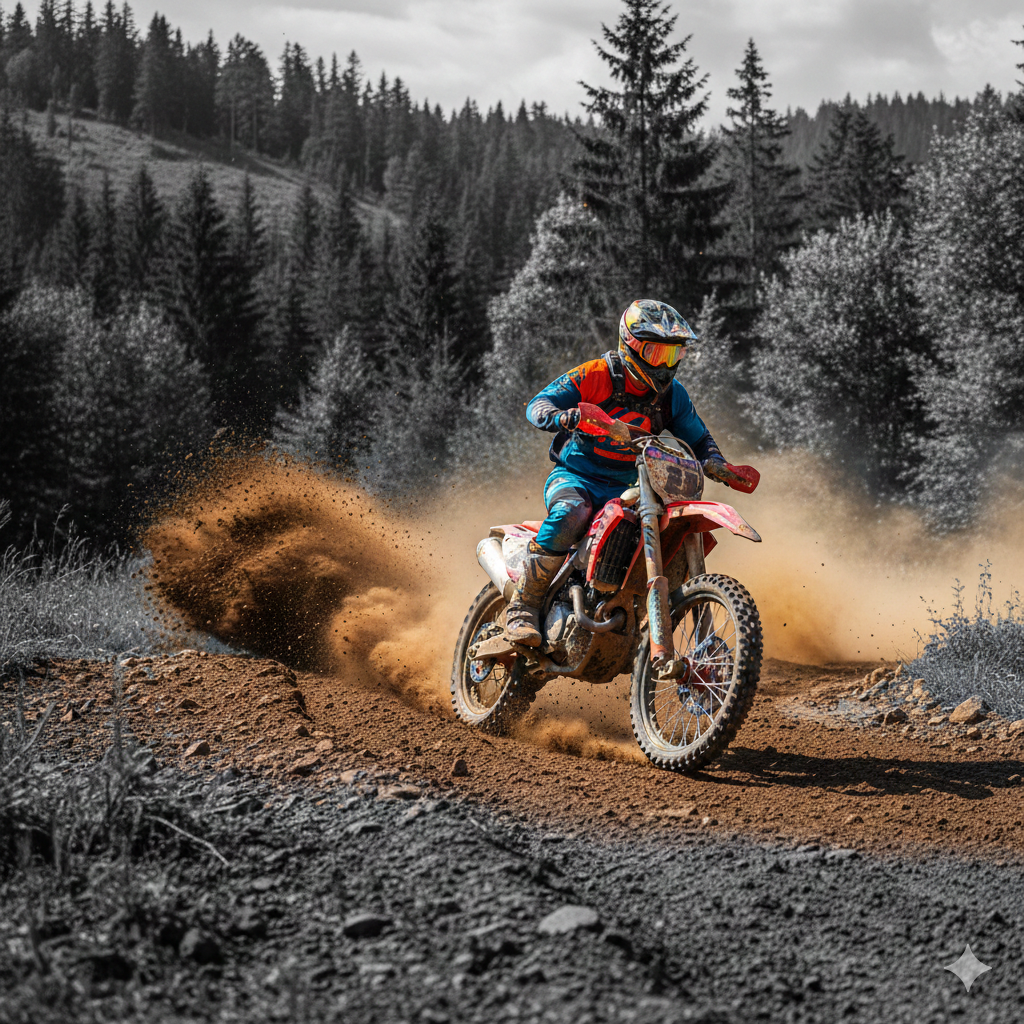
Anyone watching an enduro video for the first time almost always thinks the same thing: “That looks impossible”.
Bikes climbing everywhere, riders traversing mud, rocks and woods as if it were the most natural thing in the world. Then comes the moment when you actually give it a go, and that’s when you discover the truth: at first, enduro poses a challenge for practically everyone, so immagine how this could be for the enduro beginners!
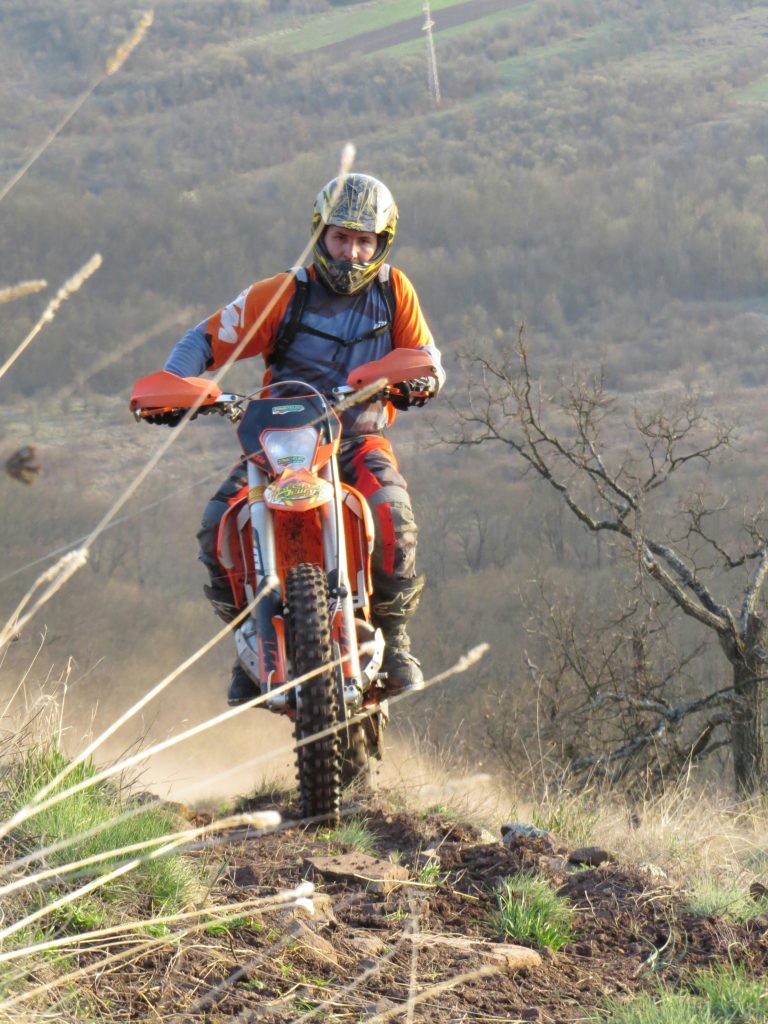
The bike feels heavy, the climbs endless, the ground slippery. After a few minutes, you’re out of breath, your arms are stiff, and you get that feeling of battling against something far greater than just the bike.
And that’s exactly where the passion begins.
Because enduro isn’t just about speed. It’s about learning to manage fear, balance, fatigue and concentration. And when you finally manage to get through that section that seemed impossible, the satisfaction is immense.
How to beat the most enduro beginners avoiding the classic mistakes
One of the most common mistakes among enduro beginners is thinking they have to go all out straight away.
Many buy bikes that are too powerful, seek out difficult routes or imitate what they see expert riders doing on social media. The result is often simple: a lot of effort and little fun.
Enduro takes time, especially when it’s about enduro beginners.
Those who really improve are almost always those who accept that they need to take it step by step. At the start, simple dirt tracks, quiet paths and a few small climbs are enough to begin to understand how a motorbike handles off-road.
And above all, you need patience. Loads of patience.
Choosing your first enduro bike matters more than you might think
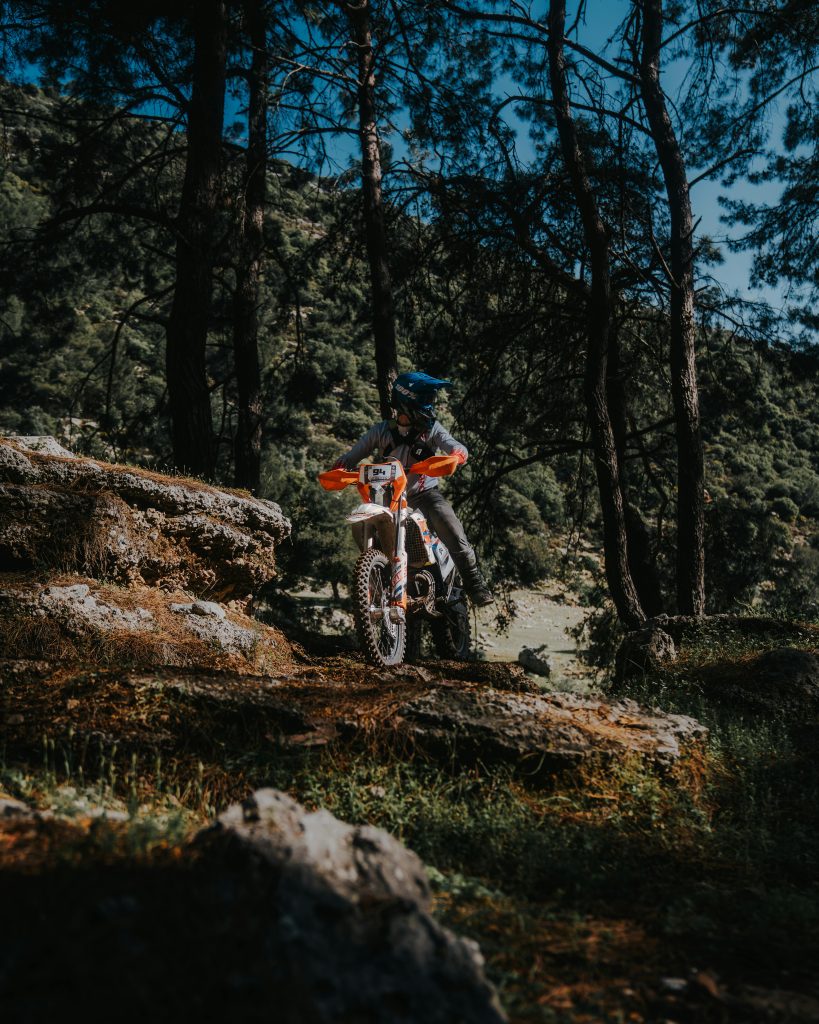
When it comes to enduro beginners, everyone immediately looks for ‘the perfect bike’. In reality, the best bike to start with is almost always the one that forgives mistakes.
A bike that’s too aggressive is only likely to complicate things. You don’t need 50 horsepower to have fun in the woods.
That’s why many recommend:
- 125 2-stroke
- 250cc 4-stroke
- 250cc 2-stroke for those with road experience
Lightweight bikes help a great deal. When you fall — and you will — picking up a more manageable bike completely changes the experience.
Often, those who start with bikes that are too demanding end up getting tired quickly and losing confidence.
2-stroke or 4-stroke? The eternal question
Sooner or later, everyone asks themselves this.
2-strokes have a livelier character; they’re light and fun. 4-strokes, on the other hand, tend to be more linear and easier to control, especially on slippery terrain.
The truth is, there’s no one-size-fits-all answer.
Many beginners get on really well with a 250 4-stroke because it instils confidence. Others, however, immediately fall in love with the lightness and simplicity of 2-strokes.
Feeling at ease matters far more than chasing the ‘best’ bike you’ve read about online.
In enduro, you fall. And that’s normal
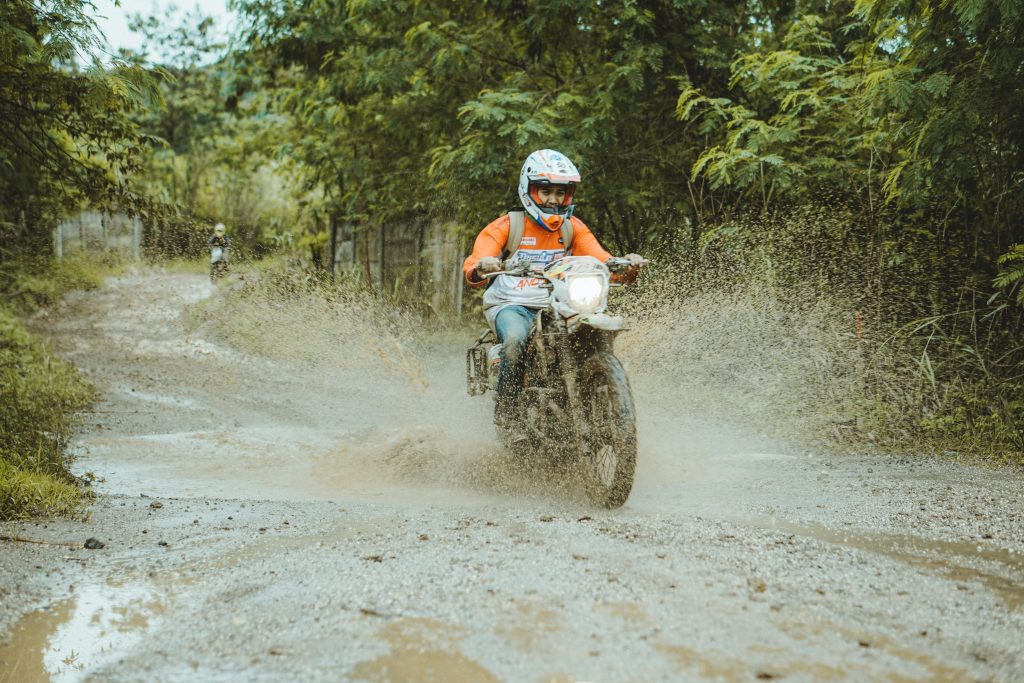
This is probably the most important thing to understand right away.
Anyone starting out in enduro falls. Everyone falls.
Even experienced riders end up on the ground all the time; they’ve simply learnt to take it in their stride.
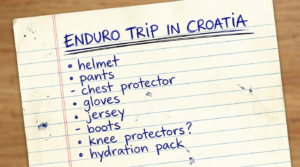
That’s why kit isn’t a minor detail. A good helmet, proper boots and adequate protective gear make a huge difference, especially on your first few rides.
Many beginners spend a fortune on the bike and far too little on protective gear. Usually, after their first proper fall, they change their minds quite quickly.
Technique matters far more than strength
At first, it seems as though you need huge arms to ride an enduro bike. In reality, the opposite is true.
The stiffer you are, the more tired you get.
Experienced riders look relaxed because they’ve learnt to let the bike do the work beneath them. They grip the bike with their legs, keep their elbows out and always look ahead.
The secret isn’t to fight the bike, but to go with it.
And it’s a feeling that only comes with hours spent on the trails.
The biggest mistake? Wanting to tackle hard enduro straight away
Social media has completely changed the way many people view this sport.
Extreme videos, impossible climbs and absurd sections make tackling World Championship-level routes seem normal. But true hard enduro is one of the most difficult and gruelling disciplines in existence.
Starting straight from there often just means:
- getting too tired
- falling over constantly
- losing motivation
It’s much better to build up your technique and confidence step by step.
Even the world’s best riders started out on simple trails.
Enduro is more gruelling than it looks
This surprises almost everyone.
After your first ride, you’ll feel aches in parts of your body you didn’t even know existed. Hands, back, legs, forearms. Enduro is a physically demanding sport, especially at the start.
But that’s also what makes it so addictive.
Every ride improves:
- balance
- stamina
- reflexes
- coordination
And after a few months, you really start to feel the difference.
So, is it worth getting started?
Absolutely.
Enduro creates sensations that are hard to explain to those who don’t do it. There’s something special about being in the middle of a forest, tackling a technical trail and overcoming obstacles that seemed impossible just moments before.
You don’t need to be a champion. You don’t need the most expensive bike.
All you need is the desire to learn and accept that, at the start, every small improvement will be a huge achievement.
And that’s exactly what makes enduro so hard to give up once you’ve started.
Want to learn to ride a motorbike without having to buy one straight away? Why not take a look at the tours on offer in Croatia, which even include enduro bike hire for beginners!
Or would you rather find out more about this wonderful world and see what enduro really means for beginners? Keep reading our blog.