A flat tire miles from the nearest road is one of the few problems in off-road riding that can genuinely end your day. It is no surprise, then, that how riders set up their tires has become one of the most debated topics in enduro. Three systems dominate the conversation: heavy duty tubes, foam mousse inserts, and the Tubliss bead-lock system. Each solves the same problem in a different way, and each asks you to trade something in return.
There is no universally correct answer. The right setup depends on the terrain you ride, how fast you ride it, how far you go from help, and how much you are willing to spend and maintain. Understanding what each system does well, and where it falls short, lets you choose deliberately rather than by default.
Heavy Duty Tubes: The Simple Standard
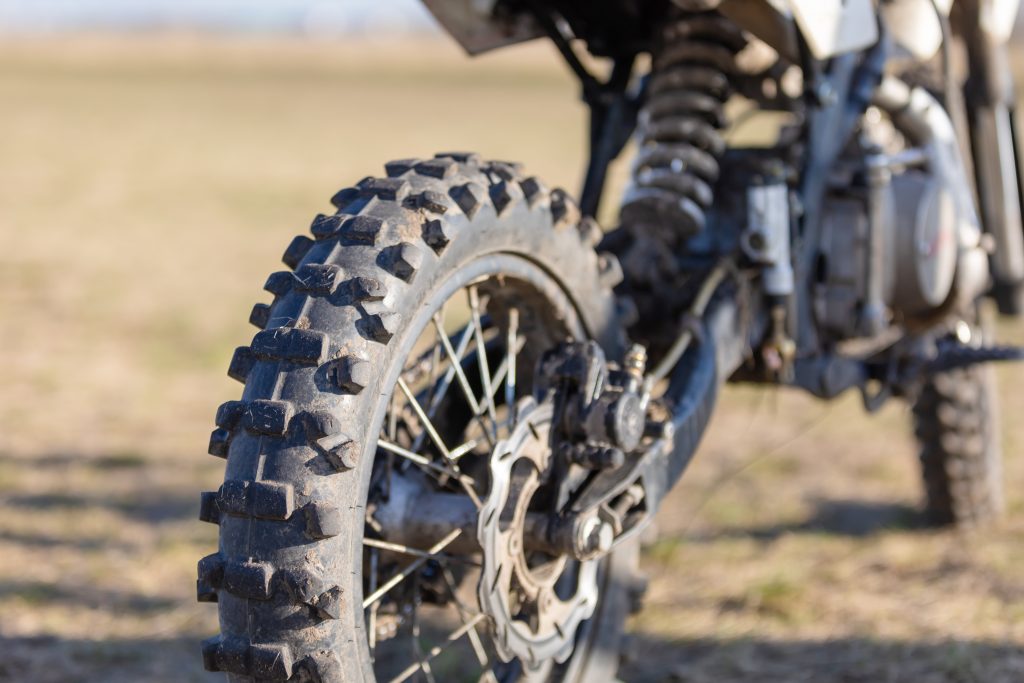
A heavy duty tube is exactly what it sounds like, a thicker version of the standard inner tube most bikes leave the factory with. The extra rubber resists punctures and pinch flats better than a standard tube while keeping installation simple and cheap.
This is the most accessible setup and the easiest to live with. Anyone who has changed a tube can fit one, replacements are inexpensive, and there is no special maintenance to remember. The trade-off is that a tube is still a tube. Punch the wheel hard into a sharp rock or run pressures too low and you can still pinch or blow it, and when that happens you face removing the tire and the tube to repair it. For training days, dual-sport use, and riders who are not regularly attacking the kind of terrain that destroys tubes, it remains a sensible and economical choice.
Mousse: Flat-Proof Confidence
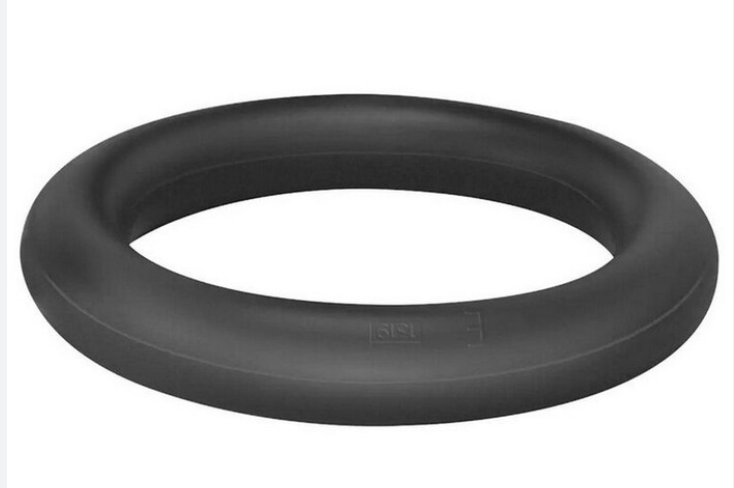
A mousse, or bib mousse, replaces the inner tube entirely with a solid foam ring. Because there is no air inside, there is nothing to puncture. Even when the foam is pierced it keeps its shape, which makes a mousse very close to genuinely flat-proof. For racing, remote trail riding, and any situation where getting stranded is not an option, that peace of mind is the headline benefit.
A mousse also rides well. It behaves like a permanently low-pressure tire, conforming to rocks and roots and soaking up sharp impacts, which is why it dominates hard enduro where grip at walking speed over awful terrain is everything. Mousses come in soft, medium, and hard compounds so you can tune the feel to your weight and riding style.
The drawbacks are real. A mousse builds heat at speed, so it is poorly suited to fast, sustained riding where it can overheat and break down. It is demanding to install, needs regular lubrication to survive, and degrades over time whether you ride hard or not. It is also the most expensive option to run. For the rider who values reliability above all and rides at enduro rather than desert speeds, those costs are usually worth paying.
Tubliss: Low Pressure and Adjustability
The Tubliss system takes a different approach. It replaces the inner tube with a small, high-pressure insert that locks the tire bead against the rim around its full circumference, acting like a permanent rim lock. With the bead held securely, the main chamber of the tire can run extremely low pressure, often as little as 3 to 8 psi at the rear, without the tire rolling off the rim or pinch flatting.
That unlocks two things a mousse cannot offer. First, traction tuning: you can change your pressure to suit the terrain and even bump it up for faster sections, where a mousse gives you one fixed feel. Second, trailside repairs become far easier, since a puncture in the outer chamber can often be plugged in seconds without removing the wheel, much like a tubeless car tire. The high-pressure insert also protects the rim from impact damage.
Tubliss rewards riders who want to fine-tune grip and value long-term running costs, and it has become popular in enduro and off-road circles for exactly that reason. It demands careful installation and a little more understanding than a tube, and it is not as bombproof against a single catastrophic tire failure as a mousse, but for many riders the adjustability makes it the most versatile of the three.
Side by Side
| Feature | Heavy Duty Tube | Mousse | Tubliss |
|---|---|---|---|
| Flat protection | Good | Excellent (near flat-proof) | Very good (plug trailside) |
| Traction / low pressure | Limited | Excellent (fixed feel) | Excellent (adjustable) |
| Adjustable pressure | Yes | No | Yes |
| High-speed suitability | Good | Poor (overheats) | Good |
| Installation | Easy | Difficult | Moderate |
| Maintenance | None | Regular lubrication | Occasional checks |
| Cost | Low | High | Moderate |
| Best for | Training, dual-sport, budget | Hard enduro, racing, remote trails | Versatile enduro and trail riding |
Which One Is Right for You
If you are starting out, training, or riding mixed surfaces without regularly punishing your wheels, a heavy duty tube does the job at the lowest cost. If your priority is never being stopped by a flat, especially racing or riding far from help at enduro speeds, a mousse buys you that confidence at the price of cost and maintenance. If you want the broadest range of traction and pressure tuning with manageable running costs, Tubliss is the most adaptable choice.
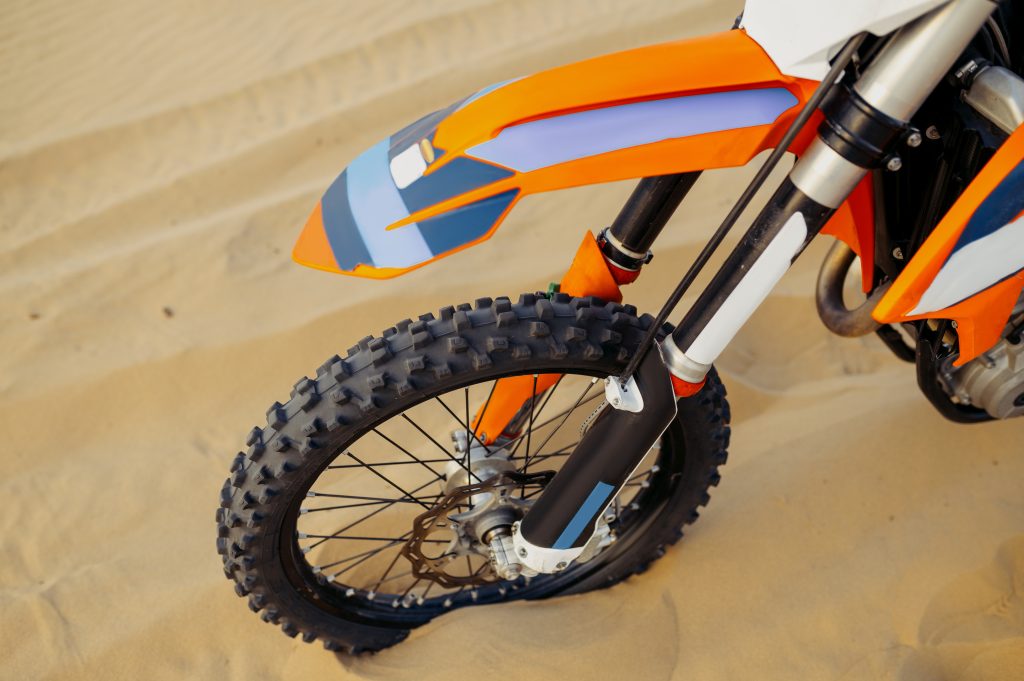
The honest truth is that most riders settle on their preference through trial and error, and the best way to discover what suits you is to ride varied terrain and feel the difference for yourself. Knowing how each setup behaves on a real rocky climb or a loose sandy section teaches you more than any spec sheet.
Do you want to train your enduro skills in a great environment, while having fun? Check out our all inclusive packages https://enduroexperience-croatia.com/en/packages/
Do you want to discover more on enduro versus motocross? Check out our latest articles.