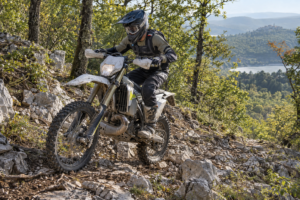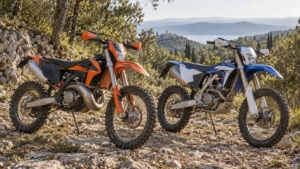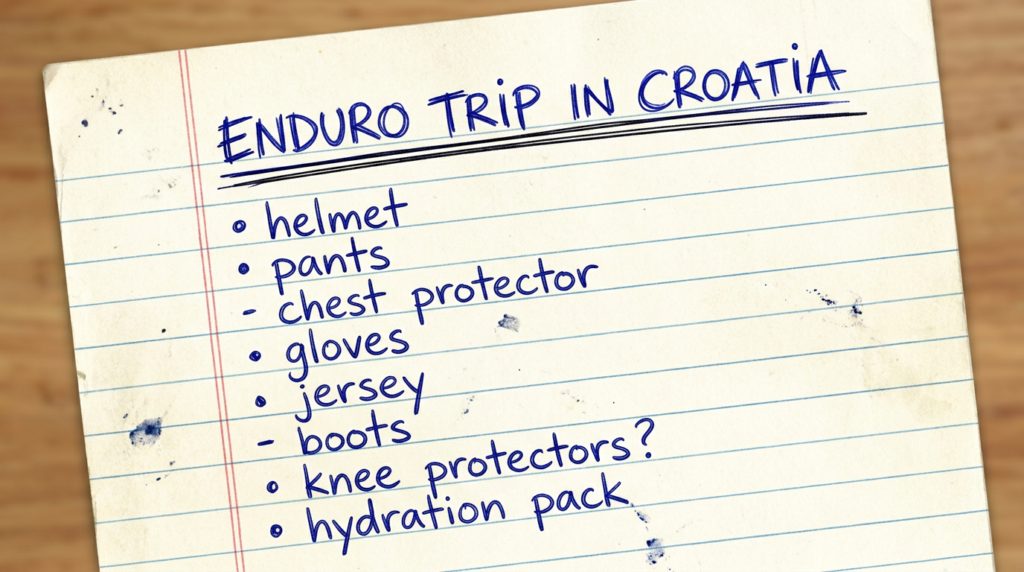
Over the years, we have seen riders arrive for an enduro tour with almost every possible approach to packing.
Some turn up with one small bag, their helmet under an arm and barely enough clean socks for the week. Others open the back of a van and appear to have brought an entire workshop, three versions of every jersey and enough spare parts to rebuild a motorcycle from the frame up.
By the end of the first riding day, both usually reach the same conclusion: the things that matter are not always the things that seemed important at home.
A good enduro tour packing list is not about preparing for every unlikely disaster. It is about bringing equipment that fits properly, clothes that remain comfortable after several hours on the motorcycle and a few small items that solve the problems riders encounter again and again.
What you need will also depend on how you are travelling. If you are flying to Croatia and renting a motorcycle and riding equipment, your suitcase can remain fairly light. If you are bringing your own enduro motorcycle in a van, you will naturally need tools, spares and documents that a fly-in rider can leave at home.
Before packing anything, find out what is already included in your tour. It is the easiest way to avoid carrying equipment across Europe only to discover that it was waiting for you at the destination.
Start by asking what is already provided
“Motorcycle rental included” can mean different things depending on the operator. Sometimes it refers only to the motorcycle. In other cases, riding equipment, fuel and mechanical assistance are also available.
Ask about this before travelling. Find out whether the organiser supplies a helmet, boots, goggles, gloves, body protection, knee guards and a hydration pack. If equipment is available, send your sizes in advance rather than waiting until the morning of the first ride.
At Enduro Experience Croatia, riders can rent the motorcycle as well as riding clothing and protective equipment. Our packages also include accommodation, meals and assistance during the tour. This means that someone arriving by plane can organise several days of riding without travelling with an enormous gear bag.
Even when everything is available, some riders still prefer to bring their own helmet, goggles or knee braces. That makes sense. Personal equipment has already adapted to your body, and you know exactly how it feels after five hours rather than five minutes.
If you plan to use rental equipment, ask what you need to bring yourself. A short conversation with the organiser will usually remove half the items from your provisional enduro tour packing list.
Bring the equipment whose fit matters most
A rental jersey is unlikely to ruin your day. Uncomfortable boots might.
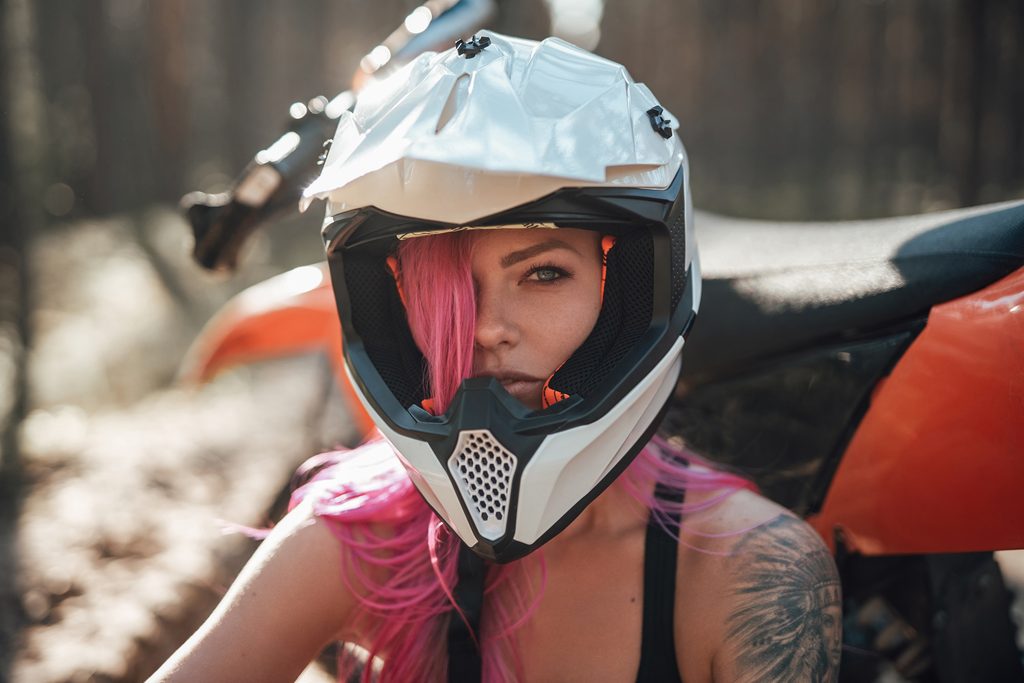
When luggage space is limited, give priority to equipment that depends heavily on fit. A familiar helmet, properly adjusted knee protection and boots that have already been broken in can make a considerable difference during a multi-day tour.
Your helmet
Whenever practical, bring your own helmet. You know its history, how securely it fits and whether it works comfortably with your goggles.
Inspect it before packing. Check the shell, peak, strap, lining and ventilation openings. A tour is not the time to squeeze one more week of use from a helmet that has already suffered a significant impact.
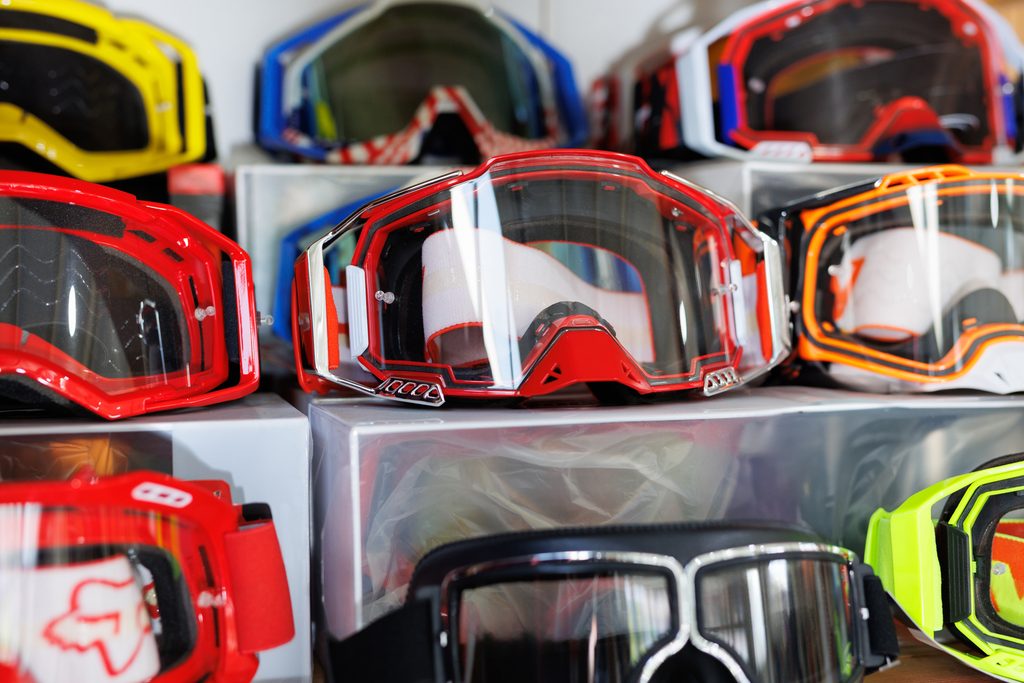
Goggles deserve some thought as well. A dark lens may be perfect on a bright, open trail, but Istrian routes frequently move between sunlight and dense woodland. A clear lens is usually the safest all-round choice. A spare lens or second pair of goggles takes little space and becomes very useful after rain, mud or an unfortunate meeting with a branch.
Your boots
New boots often look ready for adventure long before they feel ready for it. Wear them on a few proper rides before leaving home.
We have seen riders discover on the first morning that their boots press against an ankle, make gear changes difficult or rub the skin once the feet become warm. On a one-day ride, that is annoying. On a multi-day tour, the same pressure point returns every morning.
Check the buckles and soles before departure. If a buckle already closes badly in the garage, it will not improve after being filled with mud.
The Motorcycle Safety Foundation recommends strong, over-the-calf off-road boots because they offer protection to the feet, ankles and lower legs. They are far more appropriate for enduro than ordinary hiking or work boots. Its off-highway riding guide provides further advice on protective equipment.
Protection you have already tested
Body armour should remain in position while you stand, sit, lean forward and move around the motorcycle. Knee guards should protect the joint without sliding down inside the trousers. Elbow guards should not cut into the arms after an hour.
Try the complete combination before travelling. Wear the base layer, protection, jersey, trousers and hydration pack together. Equipment that feels comfortable individually can become restrictive when everything is layered.
Enduro protection has to work during slow falls as well as faster riding. A rider can tip over almost from a standstill and still land heavily against a rock, stump or part of the motorcycle. Pack according to the terrain rather than the maximum speed you expect to reach.
Take more gloves and socks than jerseys
This is one of those lessons that usually comes from experience.
Riders often arrive with several clean jerseys and one pair of gloves. After a wet morning, the jerseys are still usable and the gloves are unpleasantly cold. A spare pair would occupy almost no room, yet it can completely change the afternoon.
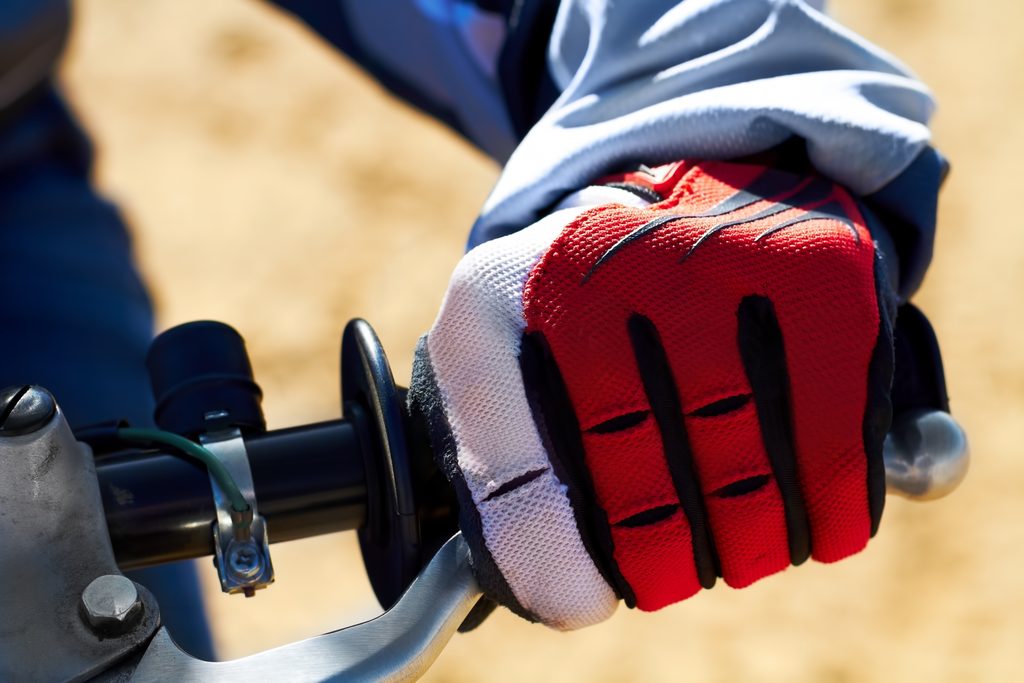
Bring at least two pairs of riding gloves. They do not need to be heavy or expensive. They need to fit well, preserve feeling at the clutch and brake, and give you a dry option when the first pair becomes soaked.
The same applies to riding socks. Pack a clean pair for every day, plus one spare. Enduro boots are warm, rigid and not especially forgiving when the skin is already damp or irritated.
Clean base layers are more valuable than a new jersey for every ride. A jersey can normally be aired and used again. The clothing directly against the skin is what you will be happiest to replace the following morning.
For a short tour, one main jersey and one spare are usually enough. Enduro trousers can also be worn for several days unless the weather turns particularly wet or muddy.
Pack for the effort, not only for the weather forecast
A forecast of 15°C can look cold while you are packing at home. After twenty minutes on a rocky climb, dressed in boots, body armour, knee guards and a helmet, it may feel entirely different.
Enduro produces its own climate inside the riding equipment. You become warm during technical sections, cool down while waiting for the group and then meet wind or rain on an open connection.
Light layers work better than one bulky garment. In cooler weather, use a moisture-managing base layer and add a thin thermal or windproof layer that can be removed. A compact waterproof shell is useful when rain is likely, provided it still allows you to move and does not trap so much heat that you become wet from the inside.
In summer, choose breathable fabrics and avoid heavy cotton as the layer next to your skin. Cotton absorbs moisture and remains wet once the pace slows.
Istria can offer warm sun, shaded woodland, wind and mud during the same riding day. That does not require an enormous wardrobe. It requires a few layers that work together.
Hydration deserves more attention than most riders give it
A hydration backpack belongs near the top of any enduro tour packing list. It allows you to drink regularly without waiting until lunch or the next long stop.
Test the bladder before leaving home. Fill it, close it, turn it upside down and check the hose and bite valve. Discovering a leak after it has emptied inside your riding bag is memorable for all the wrong reasons.
The pack should sit close to your back without swinging from side to side. Bigger is not necessarily better. Once a large backpack is available, it tends to attract tools, clothing, food and objects that feel useful in the morning and feel like stones by mid-afternoon.
Water, a small snack, personal medication, a phone and a few compact essentials are usually enough when you are riding with an organised group. Ask the guide who carries the tools, first-aid equipment and emergency supplies. There is little benefit in six riders carrying six copies of the same heavy equipment.
If you normally use electrolytes during long rides, bring a familiar product. The middle of a tour is not the ideal time to discover that a new drink does not agree with your stomach.
Decide what belongs in your backpack
Everything carried on the trail should have a reason to be there.
Your phone should be protected from water, dust and impact. Save the guide’s number and the address of your accommodation. A downloaded map can be useful when reception disappears, even if you are not responsible for navigation.
Carry identification, health-insurance details and any information that would be useful in an emergency. A small amount of cash and one card are sensible, especially when a lunch stop or fuel station does not accept your preferred payment method.
Pack personal medication with you rather than leaving it in your room. This includes inhalers, allergy medication and any treatment that may be needed during the day. If a medical condition could require assistance, tell the guide where the medication is kept.
A compact snack is useful when a route takes longer than expected. Choose something that can survive heat and movement without turning the bottom of the backpack into an experiment.
Sunscreen and lip balm are easy to forget because the riding gear covers most of the body. The nose, neck and lips still spend hours exposed.
If you bring your own motorcycle, the list changes
Travelling with your own motorcycle introduces a second type of packing. You are no longer preparing only the rider. You are also preparing a machine that may spend several consecutive days on rocks, mud, roots and steep terrain.
Bring tools that fit your motorcycle. Generic tool kits often look impressive until you need the one socket they do not contain. Use your travel kit during a service at home. If you can remove the wheels, adjust the controls and reach the usual service points with it, the kit has earned its place.
Model-specific parts can be more valuable than a large collection of universal tools. Spare levers, the correct spark plug, a master link and a few small components known to be vulnerable on your particular motorcycle occupy little room.
Tyre equipment depends entirely on the system you use. Tubes, mousse and Tubliss require different solutions. A spare inner tube is useful only if you also have the tools and means of inflation needed to install it.
Cable ties and strong tape have saved a surprising number of riding days. They are light, cheap and useful for temporary repairs. A spare air filter also makes sense during a dusty multi-day tour.
Heavy tools and spare parts do not all need to travel on your back. When a guide, support vehicle or workshop is available, keep the larger kit there and carry only what could realistically solve a trail-side problem.
Prepare the motorcycle before preparing the spare parts
It is always better to repair a motorcycle in your garage than on the side of a rocky trail.
Do not wait until the evening before departure to discover worn brake pads, loose spokes or a chain at the end of its adjustment. Service the motorcycle early enough to complete a proper test ride afterwards.
Check the tyres, wheels, bearings, brakes, chain, sprockets, controls, fluid levels, air filter and accessible fasteners. Look for leaks and inspect anything that has recently been repaired or changed.
The Motorcycle Safety Foundation’s T-CLOCS system provides a useful inspection structure covering tyres and wheels, controls, lights and electrics, oil and other fluids, chassis and stands. Its official T-CLOCS checklist also includes bearings, cables, hoses, suspension, chain and fasteners.
Repeat a shorter inspection each morning during the tour. Enduro can loosen parts that seemed perfectly secure the previous day.
Do not forget the less exciting documents
Protective equipment receives most of the attention because it is visible. Paperwork tends to remain invisible until something is missing.
Bring an accepted identity document, the appropriate driving licence, health and travel-insurance information, booking confirmations and the organiser’s contact details. If you are transporting your own motorcycle, carry its registration and insurance documents as well.
Border and vehicle requirements depend on your route, nationality and ownership situation. If the motorcycle is registered to another person or company, check whether you need written authorization to transport and use it abroad.
Keep secure digital copies, but do not assume a photograph will be accepted in place of every original document.
Rental riders should also confirm the deposit method and any conditions relating to damage. Understanding this before arrival is considerably more relaxing than reading the agreement while the rest of the group is already changing into riding gear.
Remember that the tour continues after you remove the boots
There is life after the riding day, even if your legs occasionally disagree.
Pack comfortable clothes for breakfast and dinner, along with shoes or sandals that allow your feet to recover from rigid boots. A sweatshirt or light jacket is useful even in warmer months because damp clothing, fatigue and evening air can make the temperature feel cooler.
You do not need a separate outfit for every evening. Enduro groups are famously tolerant of repeated trousers and slightly imperfect hair.
A swimsuit is worth adding when travelling to a coastal region such as Istria. It takes little room and may become one of the most appreciated items in the bag.
Bring something to separate wet or muddy riding equipment from clean clothes. A waterproof laundry bag or several strong plastic bags will do the job.
The small things people remember after arriving
Most forgotten items can be replaced. They are still easier to pack at home.
Earplugs are useful during travel and can reduce fatigue caused by wind and engine noise. A blister kit can prevent a minor irritation from becoming a painful problem on the following day. A power bank helps when a phone spends the day searching for reception and recording photographs.
Remember charging cables and, when necessary, the correct plug adapter. Pack spare contact lenses or prescription glasses if you depend on them. A small amount of detergent allows you to wash base layers and socks in the evening.
Bring any familiar recovery products or pain relief you normally use, while remembering that medication should be taken according to professional advice and its instructions.
If you are flying, keep essential medication, documents and at least one change of basic clothing in your hand luggage. Checked luggage occasionally chooses its own holiday destination.
What can stay at home
Years of watching riders unpack have also taught us what rarely gets used.
You probably do not need a large personal workshop on a fully supported rental tour. You do not need several heavy evening outfits. You are unlikely to enjoy carrying a professional camera on a technical route unless photography is one of the main purposes of the trip.
Avoid taking brand-new protection that you have never tested on the motorcycle. It may look better than your old equipment and still become unbearable after two hours.
Spare gloves are useful. Spare goggles are useful. Three jerseys for a two-day tour are harmless but unnecessary. Three different jackets usually mean two of them travelled for the scenery.
A practical enduro tour packing list
Once the main decisions have been made, use this shorter list for the final check.
Riding equipment
- Helmet
- Goggles with a clear lens
- Spare lens or second pair of goggles
- Enduro boots
- Body armour
- Knee protection
- Elbow protection when separate
- Two pairs of gloves
- Neck protection if normally used
Riding clothes
- Enduro trousers
- One main jersey and one spare
- Clean base layer for each riding day
- Riding socks for each day, plus one spare pair
- Underwear
- Lightweight waterproof or windproof layer
- Thermal layer when the forecast requires it
Items for the trail
- Hydration backpack
- Water bladder
- Familiar electrolytes
- Compact snacks
- Phone with waterproof protection
- Identification and insurance details
- Personal medication
- Sunscreen and lip balm
- Small amount of cash and a payment card
- Power bank
Travel and accommodation
- Passport or accepted identity card
- Driving licence
- Booking and transport confirmations
- Charging cables and plug adapter
- Toiletries
- Comfortable evening clothes
- Casual shoes or sandals
- Laundry or waterproof bags
- Swimsuit
When bringing your motorcycle
- Registration and insurance documents
- Model-specific tool kit
- Equipment for your tyre system
- Spare levers
- Correct spark plug and tool
- Master link
- Cable ties and strong tape
- Spare air filter
- Model-specific parts that may be difficult to find locally
Pack for your tour, not for every possible tour
The best enduro tour packing list is the one that matches the trip you are actually taking.
A rider flying to Istria, renting a motorcycle and using the operator’s equipment can travel surprisingly lightly. A rider arriving with a personal motorcycle needs more preparation, although most of that preparation should happen in the garage rather than in the luggage.
Ask what is provided, test everything that touches your body and pack clean layers for the things that will become wet. Keep the trail bag light. Bring your medication. Do not forget the charging cable.
Most importantly, arrive with equipment that allows you to concentrate on the riding. Once the engine starts and the group leaves the first village behind, nobody remembers how impressive the packing looked.
A multi-day tour also asks more from your body than a normal weekend ride. Our guide to enduro fitness training explains how to prepare for consecutive days on the motorcycle.
If you would like to ride in Istria without organising accommodation, meals, routes and mechanical assistance separately, explore the Enduro Experience Croatia packages. Rental motorcycles and riding equipment are also available, which can make the journey considerably easier for riders arriving by plane.
Frequently asked questions
What should I pack for an enduro tour?
Bring properly fitting protective equipment, clean base layers and socks, hydration equipment, personal medication, travel documents and comfortable clothes for the evenings. Riders bringing their own motorcycles also need model-specific tools, spares and vehicle documents.
Should I take my own helmet?
If practical, yes. Your own helmet has a known history and fit. When renting one, provide your size in advance and confirm availability with the operator.
How many jerseys are needed for a multi-day tour?
One main jersey and one spare are normally sufficient for a short tour. Clean base layers, underwear and socks for each riding day contribute more to comfort.
Do I need tools on a guided enduro tour?
Ask the organiser what the guide carries and what mechanical assistance is available. On a supported rental tour, a personal tool kit may be unnecessary. Riders using their own motorcycles should bring model-specific tools and spares.
What belongs in a hydration backpack?
Water, a compact snack, essential medication, identification, a protected phone and a few small personal items. Keep it light enough that it does not interfere with your movement on the motorcycle.