Introduction to Motorcycle Helmets
Motorcycle helmets are not just accessories; they are essential safety equipment that can mean the difference between life and death in an accident. For sports fans and motorcycle enthusiasts, understanding the nuances of helmet design, production, and functionality is crucial. This article delves into the various facets of motorcycle helmets—focusing on both street and enduro models—to help riders make informed choices when it comes to their headgear.
Importance of Wearing a Helmet
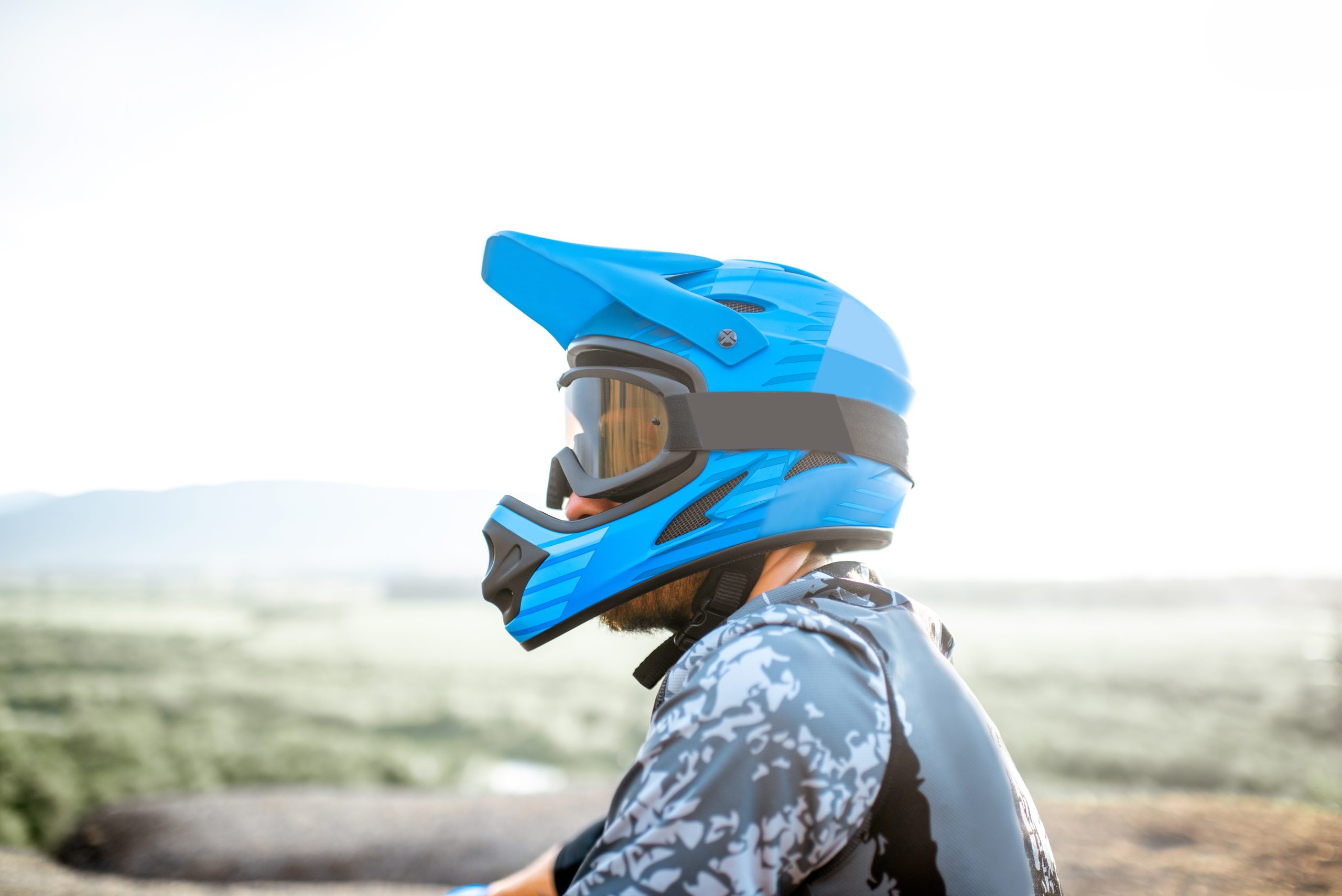
Wearing a helmet while riding a motorcycle is vital for several reasons. Statistically, helmet usage significantly reduces the risk of head injuries in case of accidents. According to the National Highway Traffic Safety Administration (NHTSA), helmets are estimated to be 37% effective in preventing fatal injuries to motorcycle riders. This statistic alone underscores the necessity of helmet usage not only for the riders but also for their passengers.
In addition to the protective aspects, helmets are often designed with features that enhance comfort, visibility, and aerodynamics, making rides smoother and more enjoyable. Therefore, motorcycle helmets serve a dual purpose: providing safety and enriching the riding experience.
Overview of Helmet Types
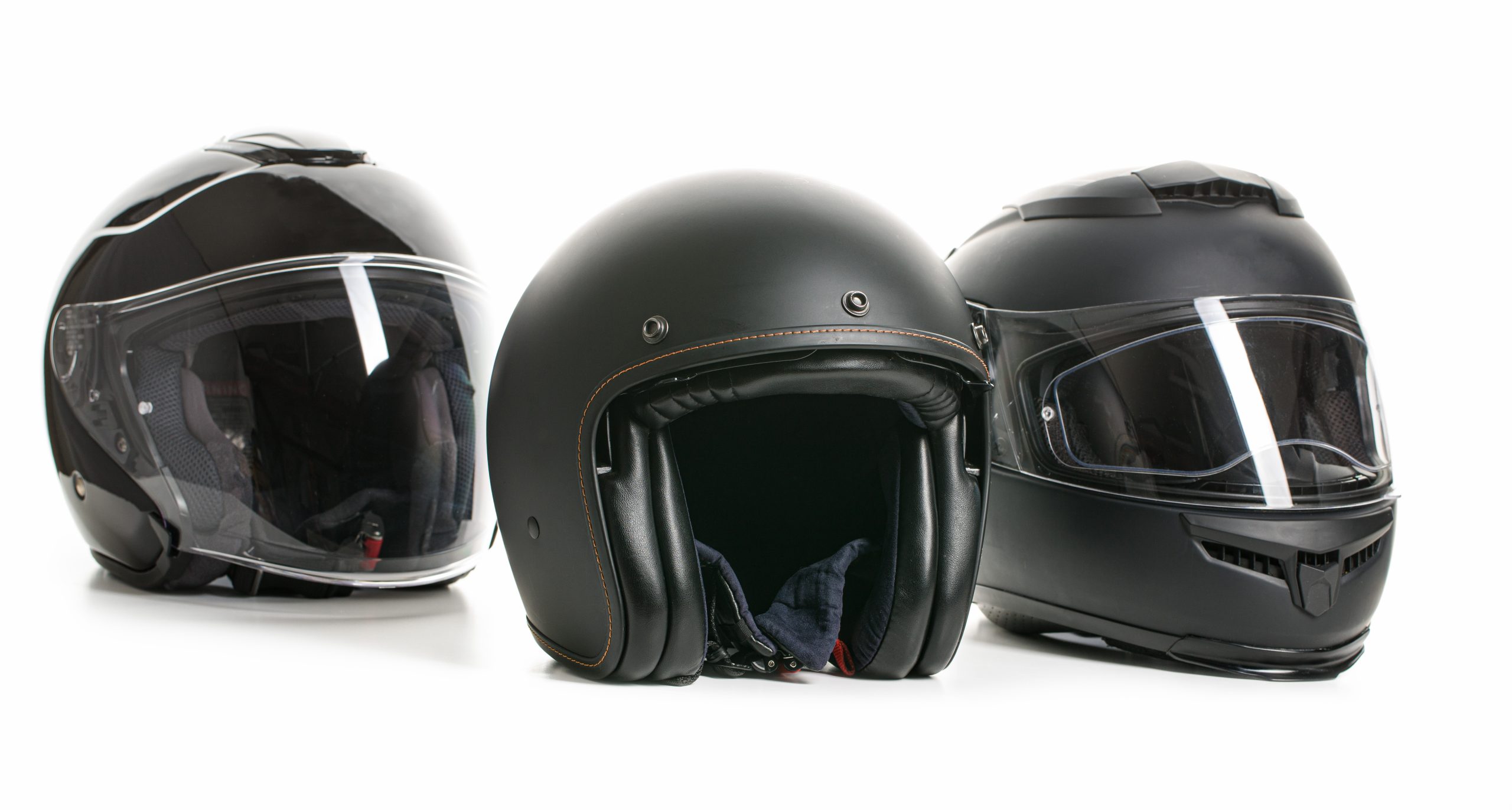
Motorcycle helmets can be broadly categorized into various types, each designed for specific riding styles and conditions. The main types include full-face helmets, open-face helmets, modular helmets, and off-road helmets, which are essential for enduro riders. Understanding the distinctions among these types is vital for choosing the right helmet.
Full-face helmets provide maximum coverage and protection, making them ideal for street riding. Open-face helmets, on the other hand, offer better ventilation and visibility but compromise on safety features. Modular helmets combine both styles, allowing riders to lift the front while still offering a degree of protection. Enduro helmets are specifically designed for off-road conditions, featuring enhanced ventilation and a lightweight structure.
Production of Motorcycle Helmets
Manufacturing Processes
The production of motorcycle helmets involves several complex processes. Initially, manufacturers conduct extensive research and development to design a helmet that offers both aesthetic appeal and superior safety features. The manufacturing process typically includes molding, where the outer shell is formed from materials like polycarbonate or fiberglass.
Once the outer shell is created, internal padding made from polystyrene foam is installed to absorb impact. The quality of construction significantly influences the helmet’s effectiveness in a crash scenario. Rigorously testing prototypes ensures that the final product meets safety standards and can withstand real-life conditions.
Materials Used in Helmet Production
Materials play a critical role in the effectiveness of motorcycle helmets. The exterior shell is commonly made from polycarbonate, fiberglass, or carbon fiber. Polycarbonate is a cost-effective option widely used in lower-priced helmets, while fiberglass offers a balance of strength and weight. High-end models often use carbon fiber, which provides excellent safety features while remaining lightweight.
The interior padding typically consists of expanded polystyrene (EPS) foam, which absorbs impact energy. Some helmets incorporate advanced materials like multi-density foam or gel layers for enhanced comfort and protection. Understanding these materials helps riders select helmets that not only meet safety standards but also cater to their comfort preferences.
Safety Standards and Certifications
Motorcycle helmets must meet specific safety standards to be sold in various markets. In the United States, the Department of Transportation (DOT) sets safety regulations, while the Snell Memorial Foundation offers an additional certification for helmets that exceed these standards. In Europe, the ECE R22.05 certification is the standard for motorcycle helmets.
These certifications ensure that helmets have been tested for impact resistance, penetration, and retention. When purchasing a helmet, riders should look for these certifications to ensure they are choosing a product that offers adequate protection in case of an accident.
Differences Between Enduro and Street Motorcycle Helmets
Design Features of Enduro Helmets
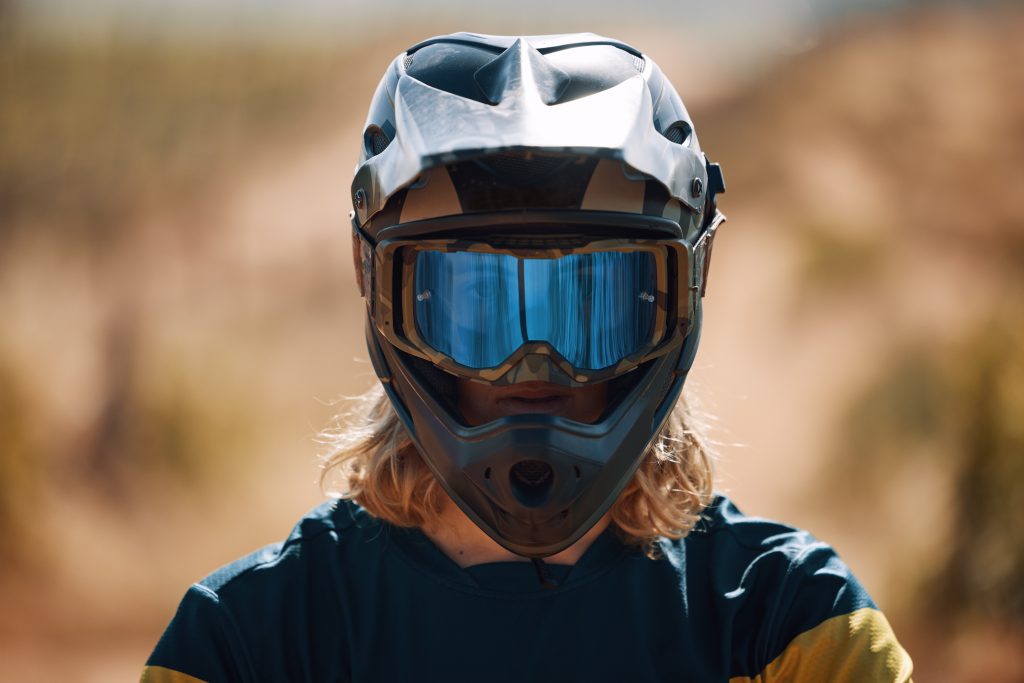
Enduro helmets are specifically designed to cater to the demands of off-road riding. One of the standout features is the peak visor, which helps shield the rider’s eyes from sun glare and debris. Additionally, these helmets often include improved ventilation systems to keep riders cool during strenuous rides.
The build of enduro helmets tends to be lightweight, which is critical for riders who may need to lift their heads frequently while navigating rough terrain. Many enduro helmets also come equipped with a more extensive range of padding options to accommodate different head shapes and sizes.
Design Features of Street Helmets
Street helmets, in contrast, prioritize aerodynamics and noise reduction. Full-face street helmets provide a streamlined design that minimizes drag, promoting efficient airflow and reducing wind noise. These helmets often include features such as quick-release visors and fog-resistant coatings, enhancing visibility in varying weather conditions.
Moreover, street helmets tend to have additional features like built-in Bluetooth systems for communication and navigation, appealing to riders who value connectivity. The padding in street helmets is designed for comfort during long rides, often using moisture-wicking materials to keep the rider dry.
Weight and Comfort Considerations
Comfort and weight are significant factors that differentiate enduro and street helmets. Enduro helmets, being lighter, are more suitable for the dynamic movements required in off-road riding. Weight distribution is also crucial; a well-balanced helmet reduces strain on the neck during prolonged use.
Conversely, street helmets, while generally heavier due to their comprehensive protection features, offer comfort through better padding and adjustable ventilation systems. Riders should consider their primary riding style when choosing between the two, as the right helmet can greatly enhance the overall riding experience.
Largest Producers of Motorcycle Helmets
Top Brands in the Industry
The motorcycle helmet market is dominated by several key players known for their commitment to safety and innovation. Brands like Shoei, Arai, Bell, and HJC are widely recognized for producing high-quality helmets that meet rigorous safety standards. Shoei and Arai are noted for their premium, high-performance helmets designed for both street and racing enthusiasts.
Bell helmets have gained popularity for their affordability and stylish designs, making them a favorite among casual riders. HJC is known for offering a variety of helmets that appeal to both budget-conscious consumers and more serious riders. These brands continuously invest in research and development, ensuring they remain at the forefront of helmet technology.
Market Share and Influence
Market share in the motorcycle helmet industry is influenced by consumer preferences and brand reputation. Shoei and Arai hold substantial market shares due to their established reputations for quality and safety, catering primarily to high-end consumers. In contrast, brands like HJC and Bell appeal to a broader audience by offering mid-range options that balance cost and comfort.
The influence of these manufacturers extends beyond just sales; they often set industry standards for safety and innovation. As riders increasingly prioritize safety features, these brands are likely to lead the market in developing helmets equipped with advanced technology such as built-in communication systems and improved impact-resistant materials.
How to Choose the Best Helmet
Fit and Comfort
Choosing the right helmet starts with proper fit and comfort. A helmet should fit snugly without causing pressure points, as this can lead to discomfort during long rides. Most manufacturers provide sizing charts based on head measurements, which can help riders select the appropriate size. It is advisable to try on various models, as different brands may have slightly different sizing standards.
When trying on a helmet, ensure that it sits level on your head and does not tilt forward or backward. A good fit will not move around when you shake your head. Comfort padding can also significantly affect the choice, as riders should look for helmets that feature moisture-wicking materials and removable pads for cleaning.
Safety Ratings and Features
Safety ratings should be a primary concern when choosing a helmet. Look for certifications from organizations like DOT, Snell, or ECE, which indicate that the helmet has undergone rigorous testing. Beyond certifications, consider additional safety features such as multi-density foam liners and emergency release systems, which can provide extra protection in case of an accident.
Additionally, riders should consider helmets with features like anti-fog visors, reflective materials, and built-in sun visors for improved visibility. These features can enhance safety and comfort, making rides more enjoyable, particularly in challenging weather conditions.
Budget Considerations
Budget is often a significant factor when choosing a motorcycle helmet. While it might be tempting to opt for a less expensive model, investing in a high-quality helmet can be crucial for safety. Helmets can range from under $100 to several hundred dollars, depending on the brand, materials, and features.
Consider what you need from a helmet and how often you ride. If you are a frequent rider, investing in a premium helmet may provide better long-term value. Conversely, if you ride occasionally, there are plenty of mid-range options that offer good safety and comfort without breaking the bank.
Specific Considerations for Enduro Helmets
When selecting an enduro helmet, specific features should take precedence due to the nature of off-road riding. Ventilation is a critical factor; look for helmets with multiple vents that allow for airflow over prolonged periods. Additionally, a helmet with a removable visor can be useful for adapting to varying terrain and weather conditions.
Another essential feature is the weight of the helmet. Since enduro riding often includes a lot of movement and exertion, a lightweight helmet can significantly reduce fatigue. Make sure to consider the helmet’s compatibility with goggles, as many enduro riders prefer to wear goggles for eye protection in rough terrains.
Conclusion
Motorcycle helmets are an indispensable component of riding safety, and understanding the differences between types, brands, and features can guide riders in making informed choices. Whether you are a street rider or an enduro enthusiast, selecting a helmet that fits well, meets safety standards, and accommodates your riding style is crucial for an enjoyable and secure experience.
During your tours in Croatia, make sure you wear a helmet; Enduro Experience Croatia has a wide choice of models and sizes, book here. https://enduroexperience-croatia.com/en/contacts/
Do you want to read more about enduro motorbikes: check out other our articles: https://endurocroatia.com/en/motorcycle-insights/
FAQs
1. How often should I replace my motorcycle helmet?
Most manufacturers recommend replacing your helmet every five years, even if it hasn’t been involved in an accident. Over time, materials can degrade, reducing safety effectiveness.
2. Are more expensive helmets worth the investment?
Generally, more expensive helmets offer better materials, comfort features, and safety ratings. Investing in a higher-end model can provide enhanced protection and comfort over time.
3. Can I wear a motorcycle helmet for other activities?
While motorcycle helmets are designed for specific safety standards, they can sometimes be used for other activities like cycling or skating. However, it’s essential to ensure that the helmet meets the safety standards for those activities.
4. What should I look for in a helmet for long rides?
For long rides, comfort is key. Look for helmets with moisture-wicking interior padding, adjustable ventilation, and lightweight designs to minimize fatigue.
5. Do I need a full-face helmet for street riding?
While not required, full-face helmets provide the best protection for street riding, covering the entire head and face, which can be critical in an accident.