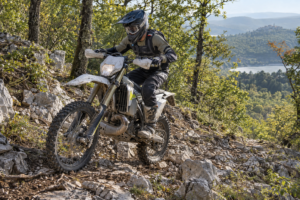
The debate around enduro versus motocross usually starts with the bikes, but the difference is already obvious before a wheel turns. Motocross happens inside a defined circuit. The track is built for repeated laps, and every lap invites the same question: can the same corners be ridden faster, cleaner, and with less wasted motion?
Enduro is less predictable by design. Trails change character mid-ride, sometimes mid-corner. One day can shift from technical rock gardens to shaded forest trails and flowing open sections without ever feeling repetitive. That variety is not decoration. It changes how speed is created and how mistakes are paid for.
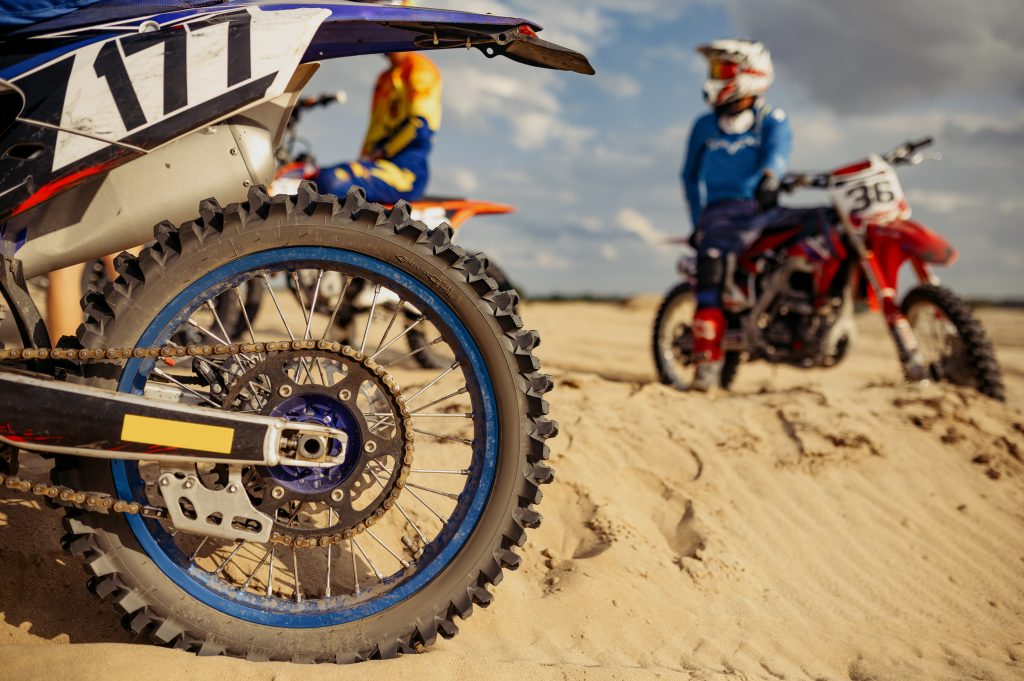
Motocross rewards immediacy. The pace rises quickly and stays high. Braking bumps, ruts, jump faces, landings, and tight rhythm sections ask for commitment and timing. The “line” is a memory you refine every lap, and the riders around you keep rewriting the plan.
Enduro pulls you in a different direction. It still punishes sloppy technique, but it also tests judgment. Traction might be reliable for two minutes, then vanish on wet roots, loose stone, or an off-camber strip of clay. A fast rider in enduro is often the one who loses the least speed in the ugly parts, not the one who sprints the hardest in the easy parts.
Skill sets overlap, then diverge
Understanding the Differences: Enduro versus Motocross
A rider who crosses from one discipline to the other never starts from zero. Balance, braking control, throttle sensitivity, and body position transfer. The emphasis shifts.
Motocross technique is built around repeatability and precision at speed. Corner entry matters, because it sets up the exit, and the exit sets up the next obstacle. A small error can ripple into the next five seconds of riding. Passing is a skill on its own: reading where someone will defend, choosing a line that stays fast, and committing early enough that it is not a gamble.
Enduro leans harder on adaptability. The best line is not always the cleanest one, and sometimes it is not even visible until you are already committed. The rider is constantly negotiating grip, angle, and momentum. On technical climbs, a half-second of hesitation can turn into a full restart. On descents, smoothness is not a style choice. It is how the front tire stays in contact with the ground.
Hard enduro pushes that logic to an extreme, but the principle exists even in “normal” enduro: problem-solving under fatigue. FIM’s own definition of hard enduro highlights natural obstacles designed to test technical ability, which is a useful reminder that some enduro formats are meant to be slow and difficult rather than fast and flowing. Further reading: FIM Hard Enduro World Championship regulations.
Fitness is not the same kind of suffering
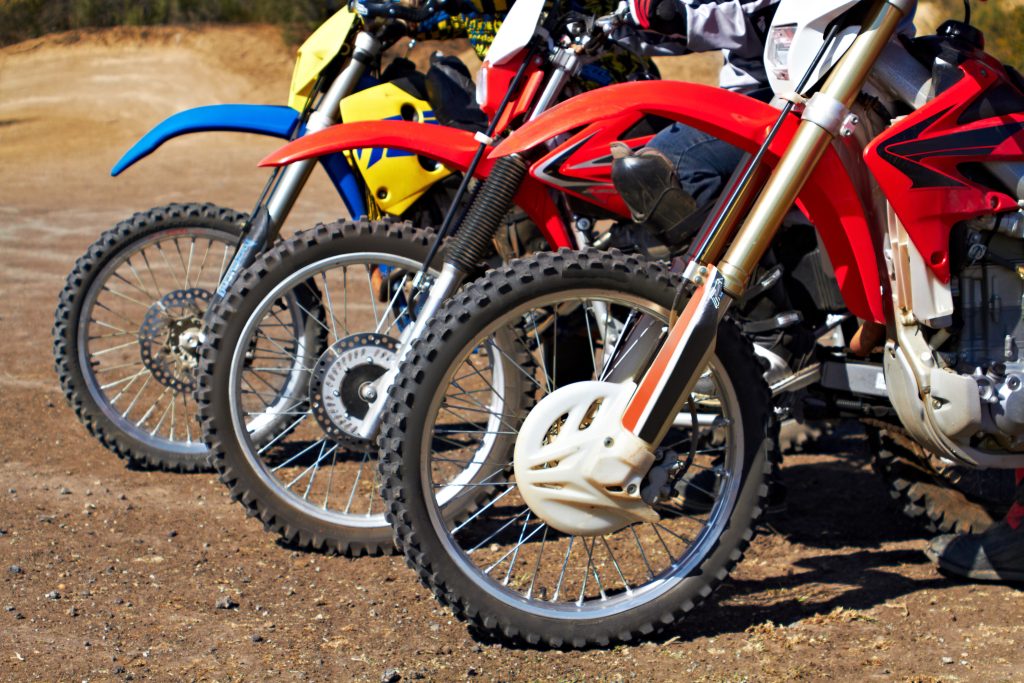
Motocross fitness often looks like sprint endurance. Heart rate spikes early, and it stays high through repeated impacts. The bike asks the body to absorb landings, keep the head stable over braking bumps, and keep the hands calm while the terrain tries to shake them off. Sessions are shorter, but the effort is concentrated.
Enduro asks for durability. A long ride blends steady output with sudden peaks: a steep climb that demands everything, a technical ravine that forces careful clutch work, then a faster section where breathing returns. The body is managing more than intensity. It is managing time, hydration, grip strength, and posture for hours. The crash that ends a day often happens late, when attention becomes expensive and small decisions turn clumsy.
Because of that timeline, “training” for enduro often means learning to stay efficient. It is less about dramatic bursts and more about cutting waste: fewer panic dabs, fewer stalled restarts, smoother braking, and a throttle hand that does not fight traction.
Enduro versus motocross is not a question of which discipline is tougher in the abstract. Both can be punishing. The real difference is what kind of focus feels natural. If the best moments are about repeating a corner until it is perfect, motocross tends to click. If the best moments are about reading terrain on the fly, adapting to whatever the trail throws back, and staying sharp deep into the day, enduro tends to win.
Do you want to know more? https://endurocroatia.com/en/2026/03/26/enduro-versus-motocross-where-riding-actually-happens-in-europe/