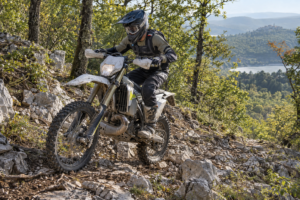
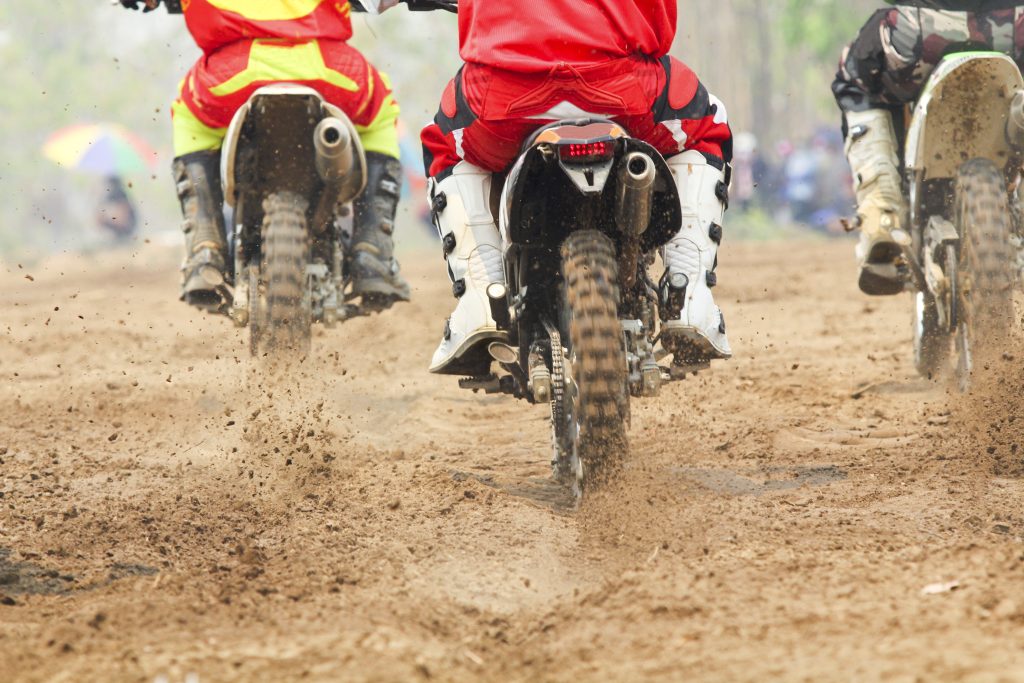
It is easy to talk about enduro and motocross as if the only difference is terrain. In practice, “where” is shaped by rules as much as by rocks and roots. Motocross is simple: a track is a track, access is clear, and the boundaries are obvious. Enduro is different. Trails cross forests, fields, and protected zones, and Europe is not generous with motorised access outside marked roads.
The pattern across many countries is the same. Unless a route is a public road, a private road that is explicitly open, or land where you have permission, riding off-route can turn into fines very quickly. The details vary, but the direction is consistent.
France is a good example of how clearly the line is drawn. The French Code de l’environnement states that motor vehicle circulation is prohibited outside roads that are part of the public road domain, rural roads, and private roads open to public motor traffic.
Austria is similarly strict in forests. Austria’s Federal Ministry page on behaviour in the forest notes that forest roads do not need special marking and that unauthorised riding of vehicles on them is not permitted even when there is no sign.
Germany adds its own layer of formality. The federal service information for forest use explains that you need a permit to drive on non-public forest roads with motor vehicles, both enduro and motocross.
Switzerland is one of the toughest environments for casual off-road travel. Swiss federal forest law and the associated ordinance frame motorised access in forests as limited, with forest roads generally reserved for forestry purposes and motorised events on forest roads or in forests prohibited.
The UK is different in legal structure, but the practical result is still restrictive. Guidance around off-road bikes and anti-social use highlights offences for riding in places like footpaths and similar routes.
So where does enduro and motocross happen, realistically? Mostly in a few “safe” containers: private land with explicit permission, organised events, designated parks, and carefully planned routes that stay on legal access roads. That is why local knowledge matters so much. It is also why guided tours are not just about finding good terrain. They reduce the risk of riding somewhere you should not.
Croatia is not a free-for-all, and it is worth saying that clearly. Protected areas have strict codes of conduct, including prohibitions on driving outside areas designated for driving or parking. Croatia’s Nature Protection Act also includes prohibitions aimed at preventing damage to nature, explicitly mentioning off-road driving as something that can be restricted.
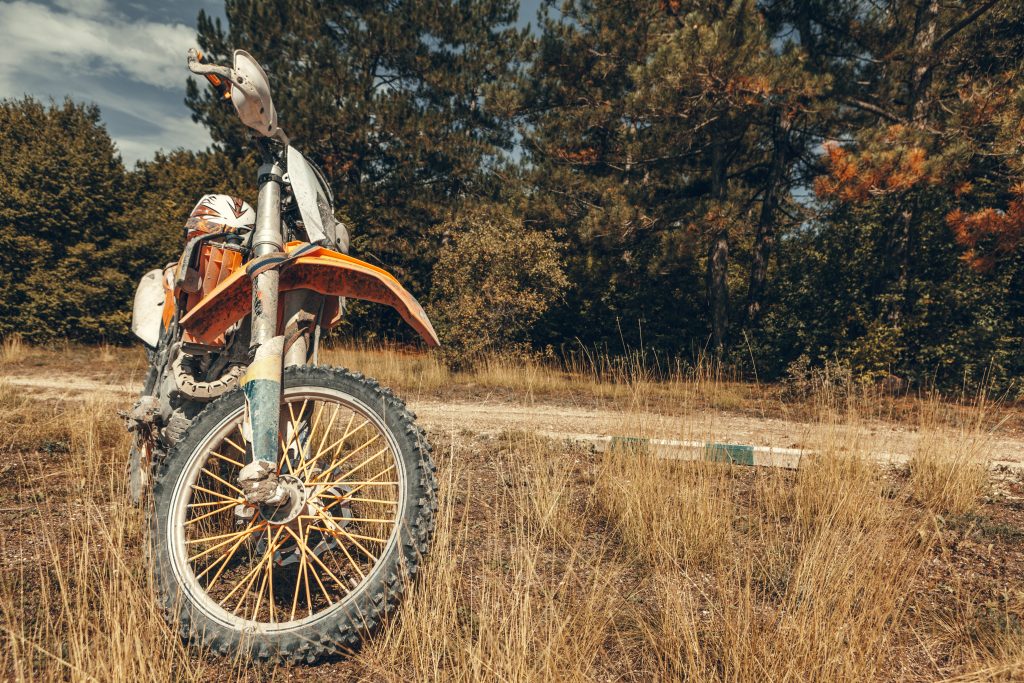
And yet Croatia remains a very workable destination for enduro travel when routes are planned responsibly. Rural regions, a strong off-road culture, and operators who understand access rules make multi-day riding realistic without relying on questionable shortcuts. Some Croatian tour operators explicitly state that their routes are legal and that they respect nature and avoid inappropriate paths.
If the goal is to ride and not waste energy second-guessing access, the simplest solution is to let locals handle the planning. Enduro Experience Croatia is built around that idea: guided riding, accommodation options, and routes chosen to match skill level and conditions.
To read more: https://endurocroatia.com/en/2026/03/26/enduro-versus-motocross-bikes/